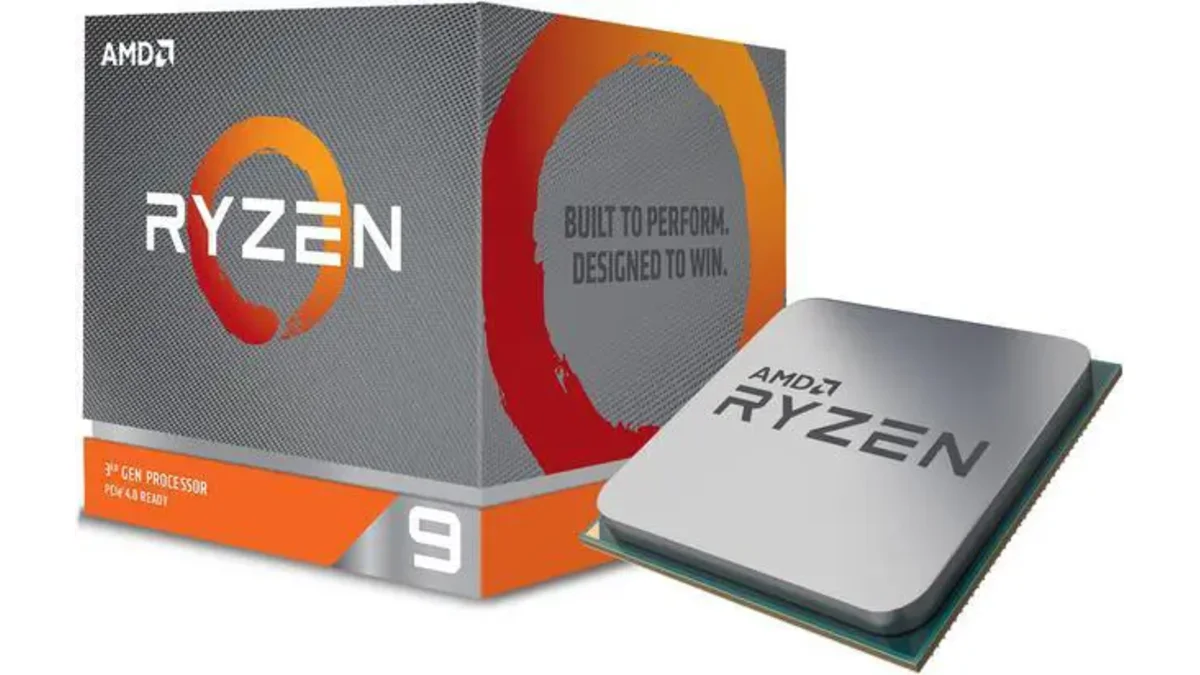
AMD Ryzen 9 3900X
12-core, 24-thread AMD Ryzen 9 3900X desktop processor (Zen 2, AM4) with 4.6 GHz max boost for high-end content creation and multitasking.
3 retailers


This tutorial takes about 3 minutes to complete.
Opera doesn't come pre-installed on Windows 10, so you'll need to install it. This tutorial shows the Microsoft Store method — the easiest way, since it handles updates automatically.
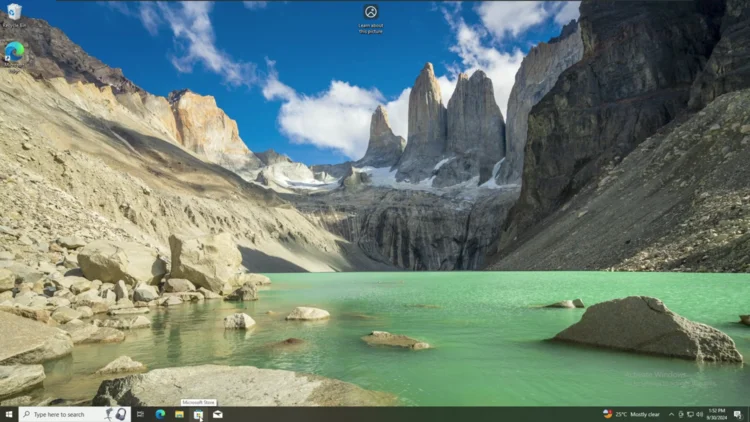
Click the Start button (Windows icon) on your taskbar or press the Windows key on your keyboard. Type Microsoft Store in the search box and click the app icon to open it.
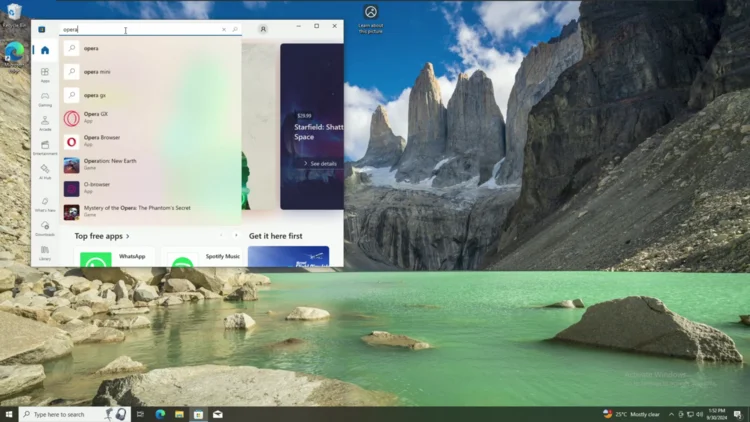
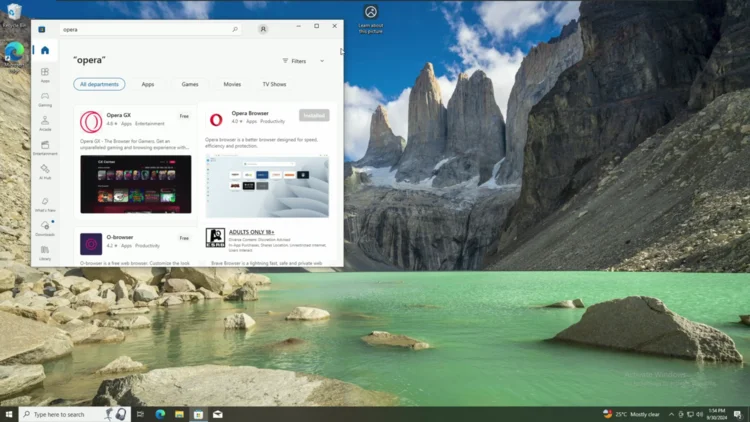
With the Microsoft Store open, click the Search box in the top-left corner. Type Opera and hit Enter. In the search results, locate Opera in the list.
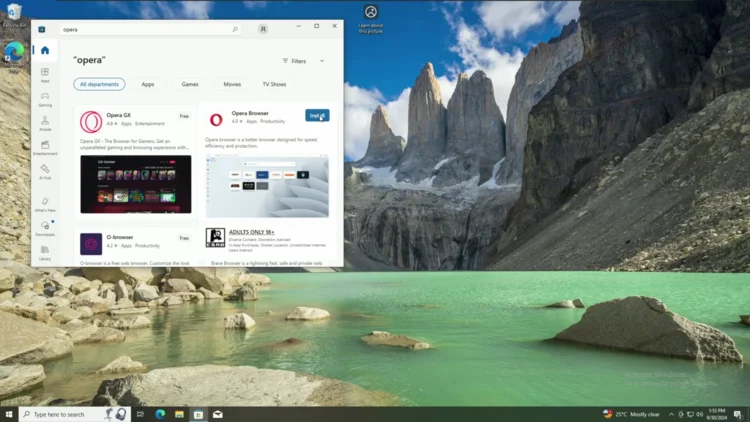
On the Opera page, click the Install button. The Store will download and install Opera automatically.
Wait for the installation to complete. Once the status changes to indicate the install is done, exit the Microsoft Store and close the window.
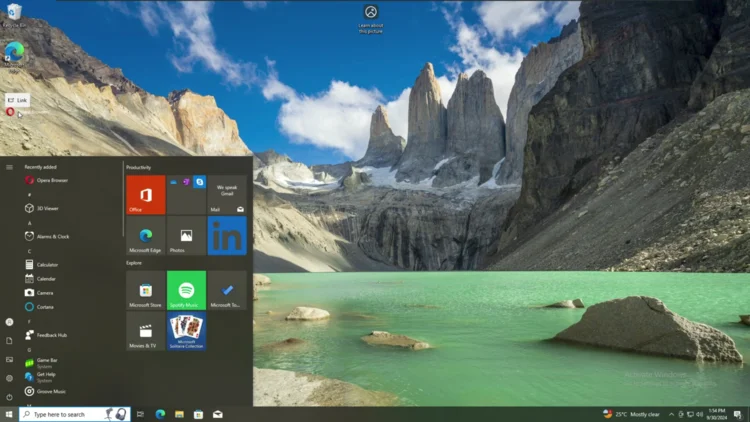
Hit the Start button and look for Opera under "Recently added" in the Start menu.
To make Opera easier to access, you can create shortcuts: left-click and hold the Opera icon, then drag it onto your desktop. You can also drag it down onto the taskbar to pin it there.
Click on Opera (from the Start menu, desktop shortcut, or taskbar pin) to launch it. You should now see the Opera browser window open — the install is complete.
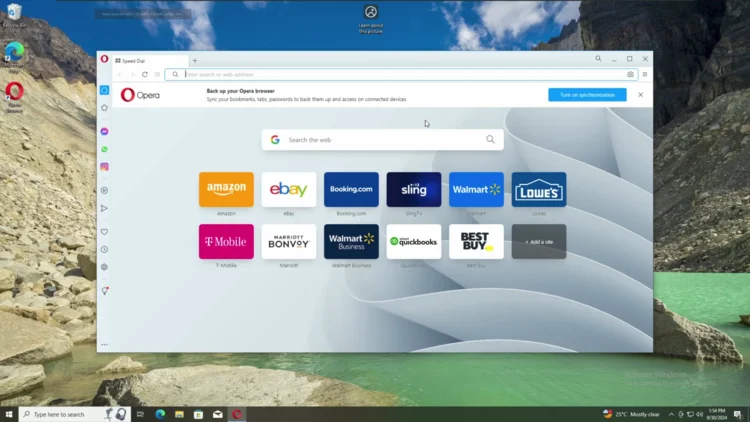
That's it — you now have Opera installed and ready to use on your fresh Windows 10 installation.
One email a week on local LLMs, DIY AI hardware, and the tools that power them. No spam — unsubscribe anytime.
Subscribe free12-core, 24-thread AMD Ryzen 9 3900X desktop processor (Zen 2, AM4) with 4.6 GHz max boost for high-end content creation and multitasking.
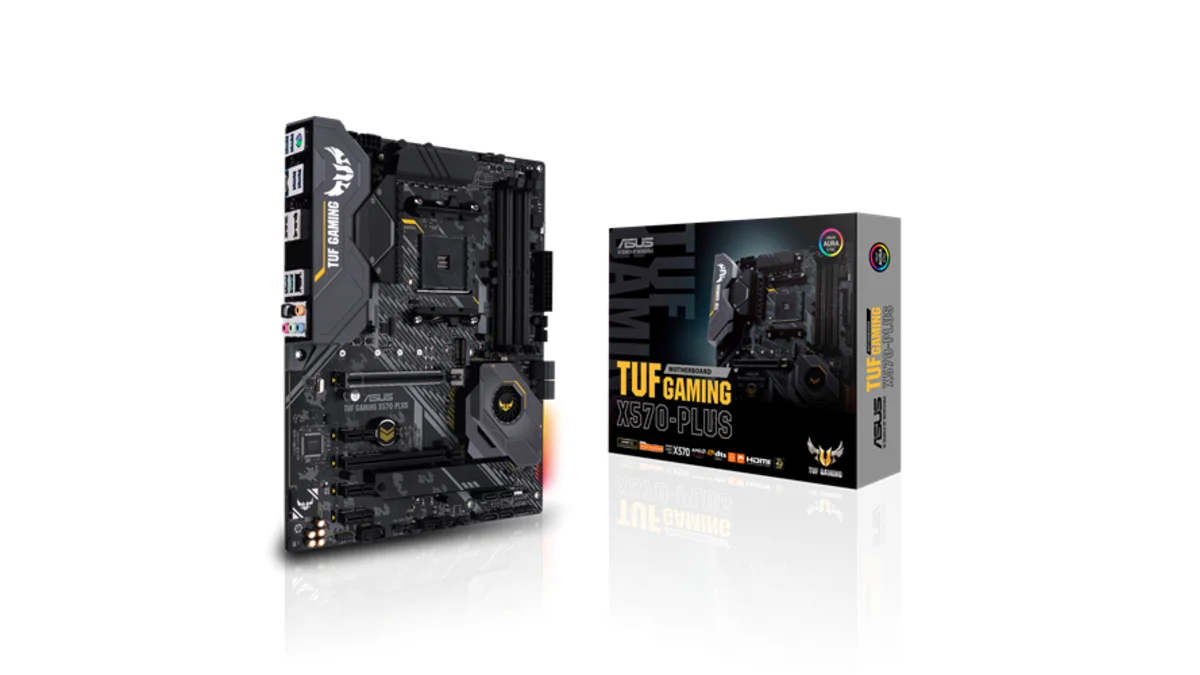
AMD X570 ATX motherboard for AM4 with PCIe 4.0, DDR4 memory support and USB 3.2 Gen 2 ports - a durable foundation for Ryzen 3000-series desktop builds
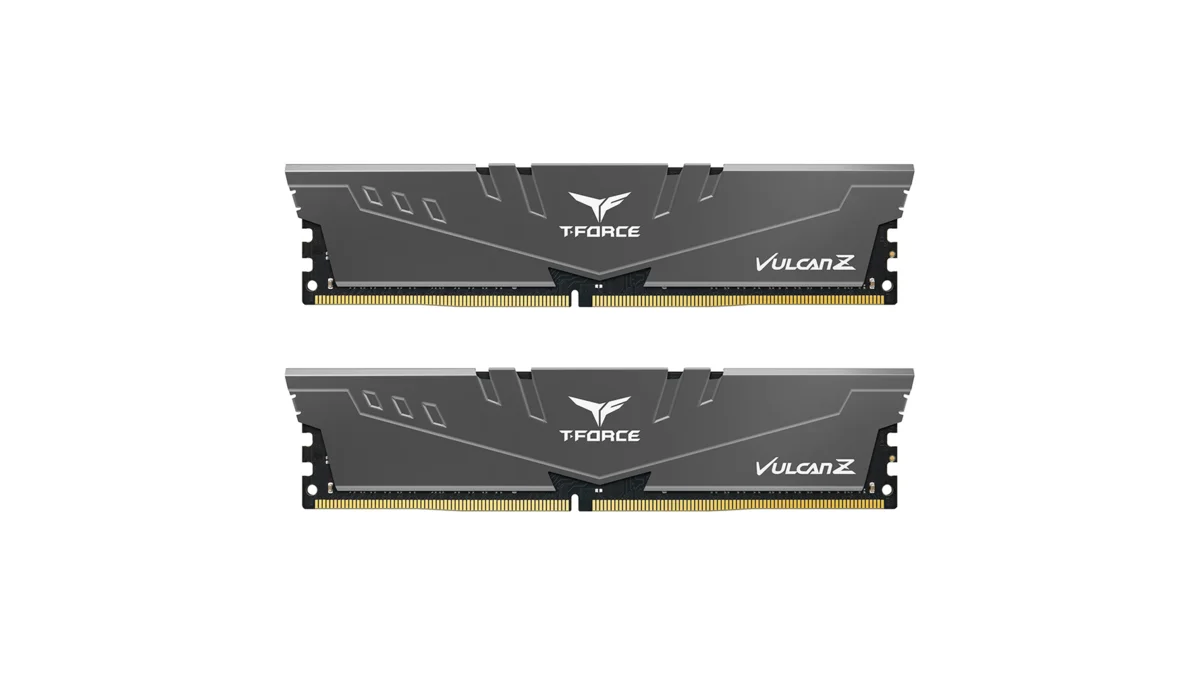
TEAMGROUP T-Force Vulcan Z 64GB DDR4 UDIMM kit - reliable overclocking memory with Intel XMP 2.0 profiles for AM4 desktop builds and Ryzen 3000-series
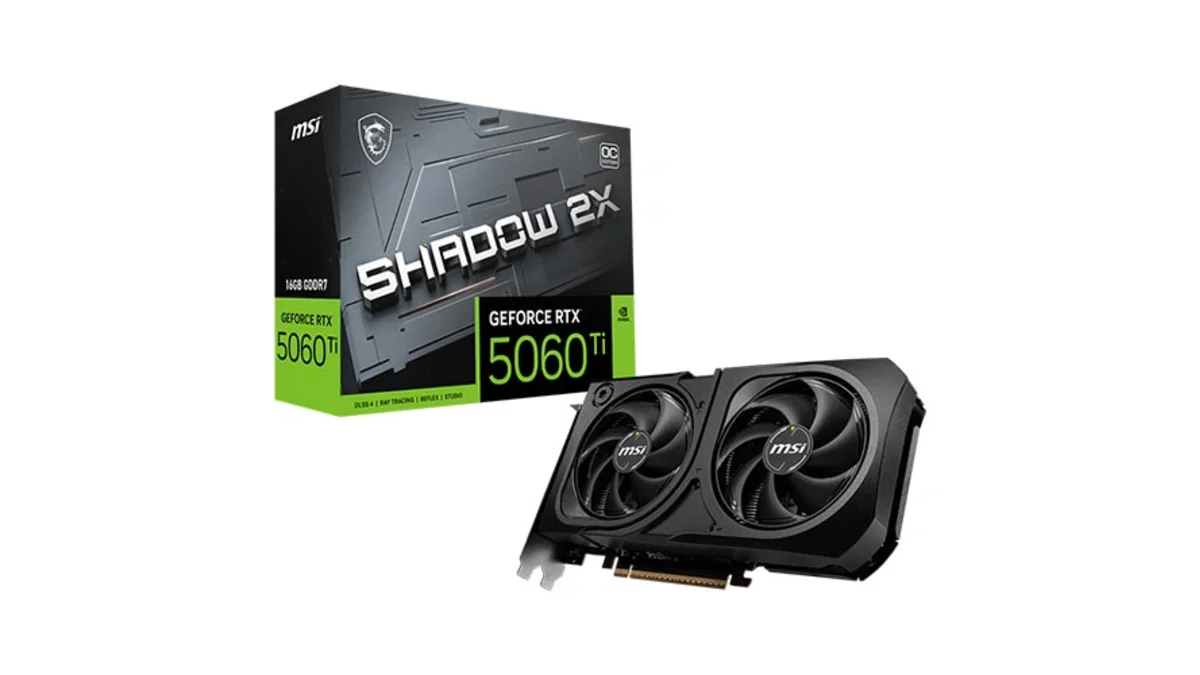
MSI GeForce RTX 5060 Ti 16GB GDDR7 graphics card with dual-fan thermal design and HDMI 2.1b DisplayPort 2.1b for gaming and content creation
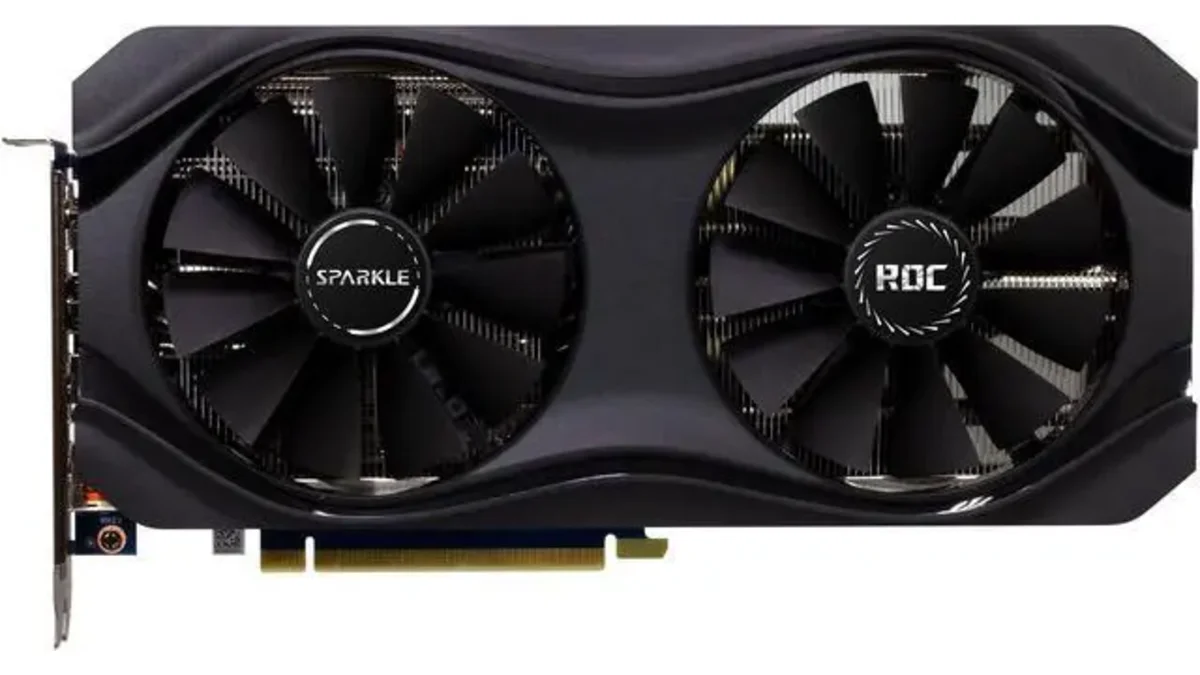
Sparkle Intel Arc A770 ROC OC Edition graphics card with 16GB GDDR6 dual DBB fans and metal backplate for gaming content creation and video editing
Microsoft Windows 11 Pro - the professional edition of Windows 11 with advanced security, remote desktop, and enterprise management features.
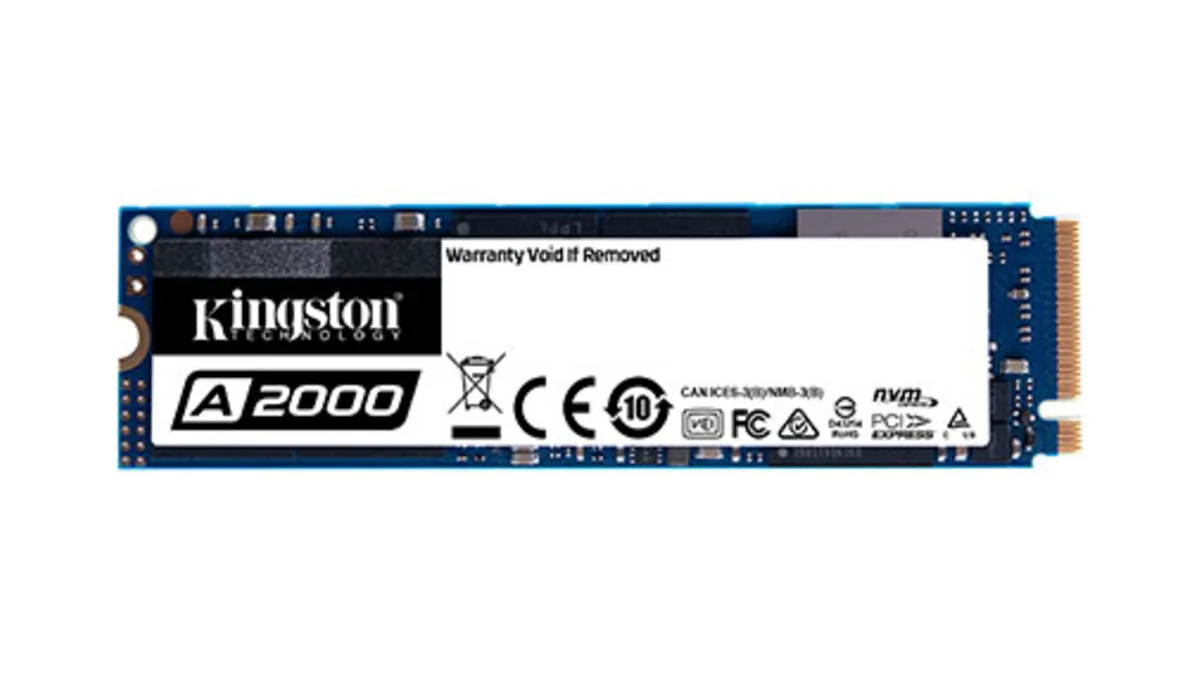
Kingston A2000 1TB PCIe 3.0 x4 NVMe M.2 SSD - reliable budget-friendly storage for everyday computing on desktops and laptops with fast sequential performance
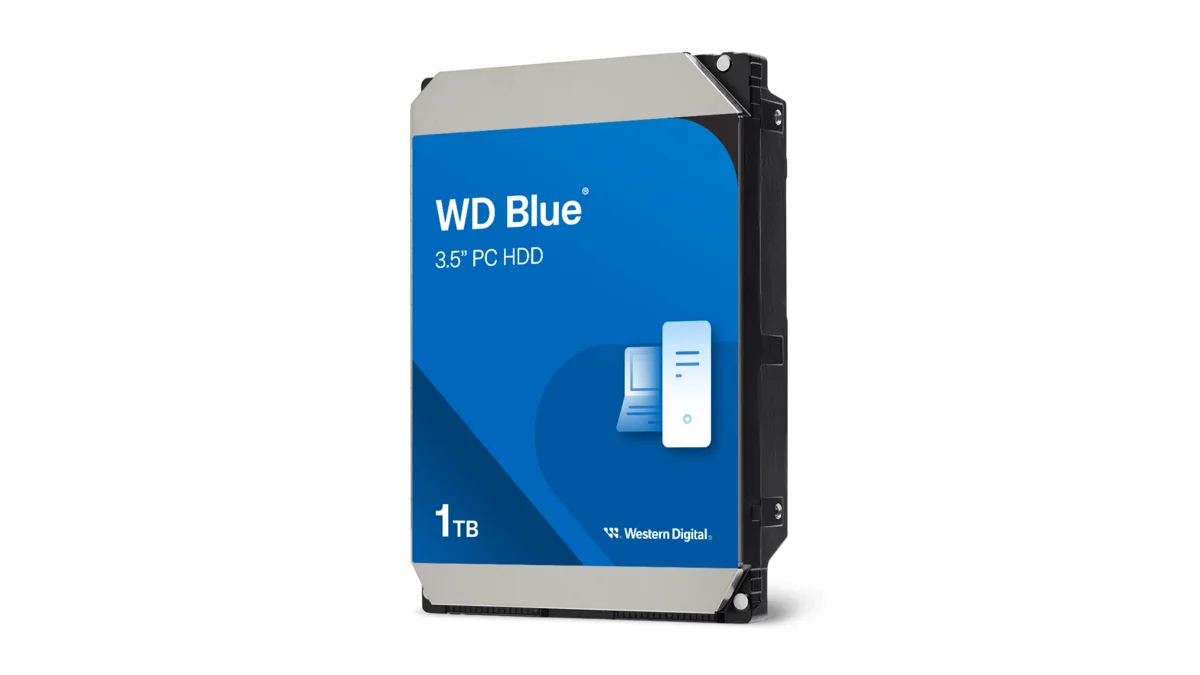
Western Digital Blue WD10EZEX 1TB 3.5" desktop hard drive with SATA III interface - reliable high-capacity storage for everyday computing needs.
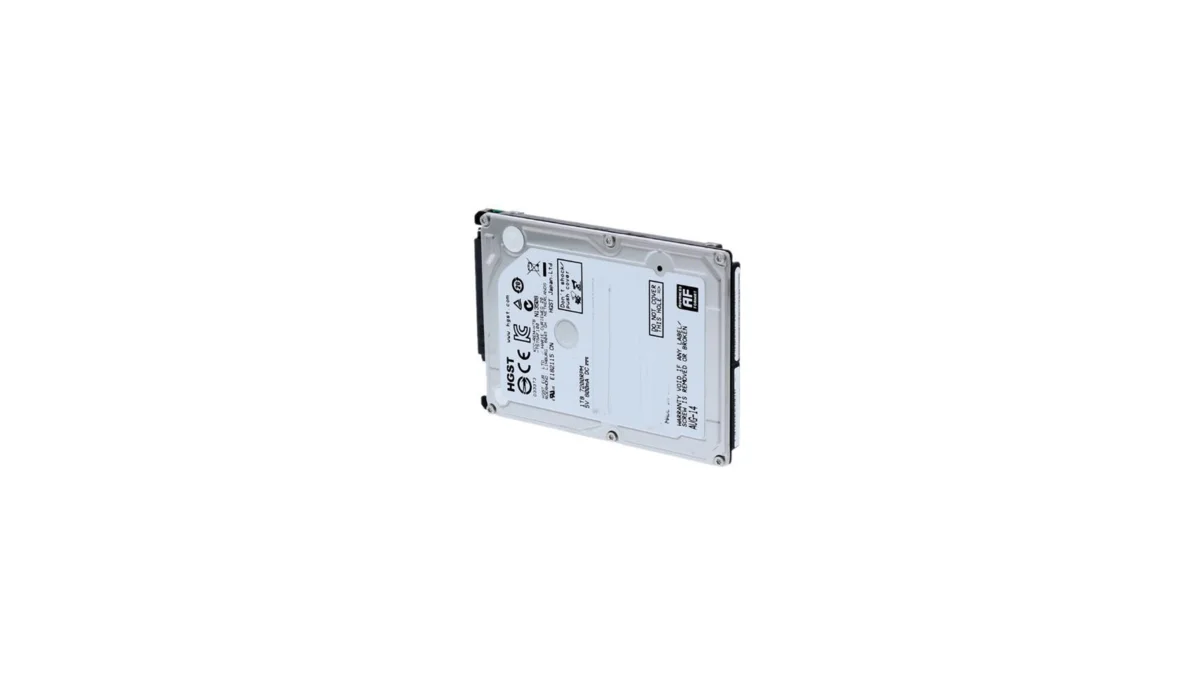
HGST Travelstar Z5K1000 1TB 2.5" laptop hard drive - reliable energy-efficient storage for desktops and workstations with SATA III interface
fanxiang S880R 1TB PCIe 4.0 NVMe M.2 SSD with built-in heatsink — up to 7300MB/s reads and 3D TLC NAND for high-performance desktop and console storage.